Top 10 Computing Trends for 2025: Navigating the Future of Technology
Explore the top 10 computing trends shaping 2025. Discover key innovations in AI, quantum, edge computing, and more with practical insights and tips.

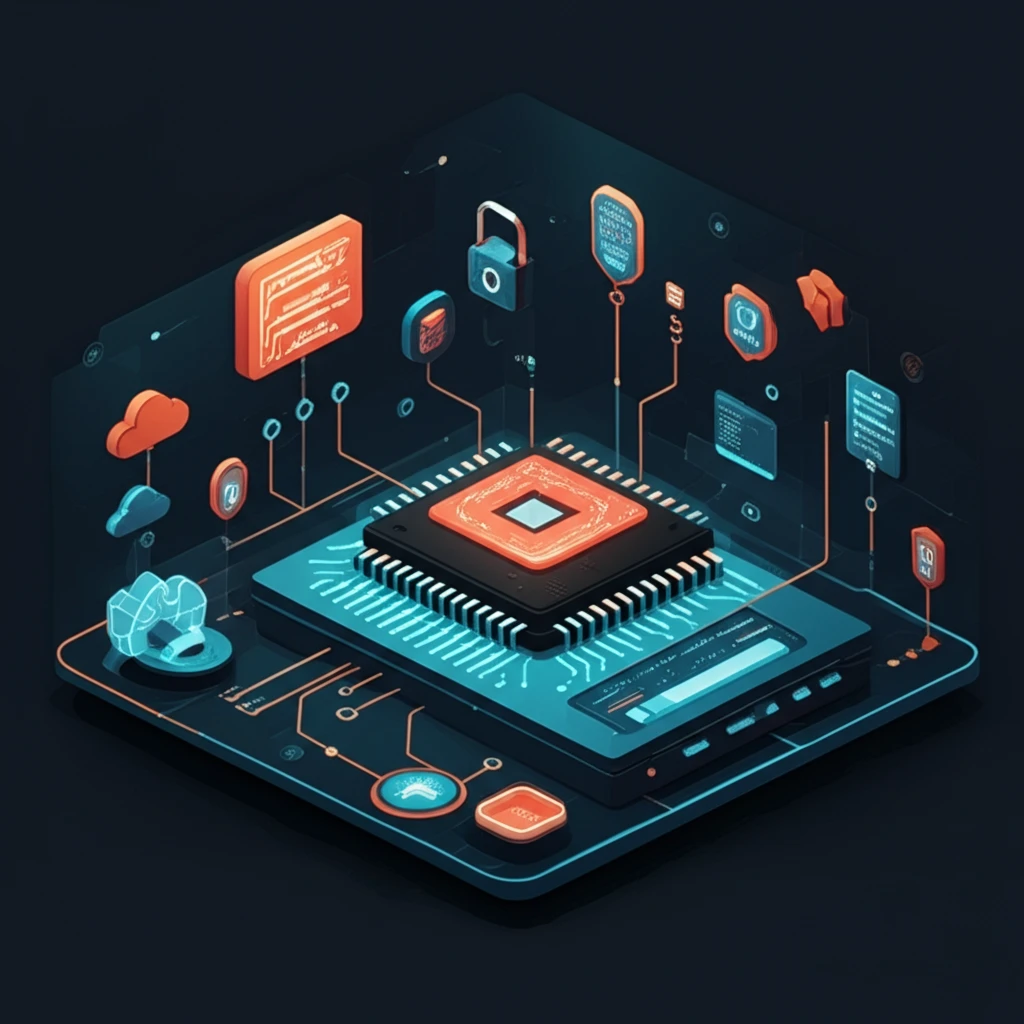
The landscape of technology is constantly evolving, and 2025 promises to be a pivotal year for computing. As businesses and individuals strive to stay ahead, understanding the upcoming trends is crucial. From the omnipresence of AI to the burgeoning potential of quantum computing, the advancements will reshape how we interact with technology and conduct our daily lives. This article dives into eight essential computing trends, offering insights, examples, and practical tips to help you navigate the future.
Artificial Intelligence (AI) and Machine Learning (ML) are no longer confined to specialized labs; they are becoming deeply embedded in every facet of our digital lives. In 2025, we'll see more sophisticated AI models capable of complex reasoning, natural language understanding, and creative tasks. Expect AI to enhance everything from customer service chatbots that feel truly human to intelligent automation in factories and predictive analytics that optimize business operations in real-time.
Edge computing brings computation and data storage closer to the sources of data, rather than relying solely on a centralized cloud. This trend will mature significantly in 2025, driven by the proliferation of IoT devices and the need for real-time processing. Think autonomous vehicles, smart cities, and industrial IoT (IIoT), where milliseconds matter for critical decisions.
While still in its early stages, quantum computing will continue to make significant strides towards practical applications by 2025. Although widespread commercial use is years away, researchers and enterprises will leverage early-stage quantum processors for highly specialized tasks that traditional computers struggle with. This includes drug discovery, materials science, financial modeling, and complex optimization problems.
As climate concerns grow, the demand for sustainable computing practices will intensify. In 2025, expect a greater emphasis on energy-efficient hardware, renewable energy sources for data centers, and optimized software that reduces computational waste. Companies will be under pressure to report their carbon footprint, and green IT initiatives will become a competitive differentiator.
The evolution of Virtual Reality (VR), Augmented Reality (AR), and the broader concept of the metaverse will continue to shape how we work, learn, and play. In 2025, these immersive technologies will move beyond novelty, finding more practical applications in enterprise training, collaborative workspaces, remote assistance, and interactive entertainment.
With increasing digital interconnectedness, cybersecurity threats are becoming more sophisticated. 2025 will see a push towards more proactive and intelligent cybersecurity solutions, including AI-driven threat detection, zero-trust architectures, and robust identity and access management (IAM). The focus will shift from perimeter defense to continuous verification and adaptive security.
Cloud computing will continue its dominance, but with a greater emphasis on hybrid and multi-cloud strategies, alongside the growing adoption of serverless architectures. Businesses will seek greater flexibility, cost optimization, and resilience by distributing workloads across various cloud environments and leveraging serverless functions for event-driven applications, reducing operational overhead.
Digital Twins, virtual replicas of physical assets, processes, or systems, will become more prevalent, especially when combined with the Industrial Internet of Things (IIoT). In 2025, these technologies will enable real-time monitoring, predictive maintenance, simulation of future scenarios, and optimization of complex industrial operations across manufacturing, healthcare, and infrastructure.
The computing landscape in 2025 will be characterized by intelligence, decentralization, sustainability, and immersive experiences. These eight trends are not isolated but interconnected, creating a powerful synergy that will drive innovation across industries. By understanding these shifts and strategically adopting relevant technologies, businesses and individuals can unlock new opportunities, enhance productivity, and build a more resilient and efficient future. Staying informed and adaptable will be key to thriving in this exciting technological era.
 October 11
Explore the top 10 computing trends shaping 2025. Discover key innovations in AI, quantum, edge computing, and more with practical insights and tips.
 October 20
Explore the 10 most impactful computing trends shaping 2025. Discover AI, quantum computing, edge, and more with practical tips for staying ahead in tech.
 October 20
Explore the top 10 computing trends shaping 2025, including AI, quantum computing, cybersecurity, and sustainable tech. Stay ahead in the evolving digital landscape.