Top 10 Gadget Trends to Watch in 2025: Shaping the Future of Tech & Style
Discover the top 10 gadget trends shaping 2025, from hyper-personalized AI and sustainable tech to fashion-integrated devices. Stay ahead with examples & practical tips.

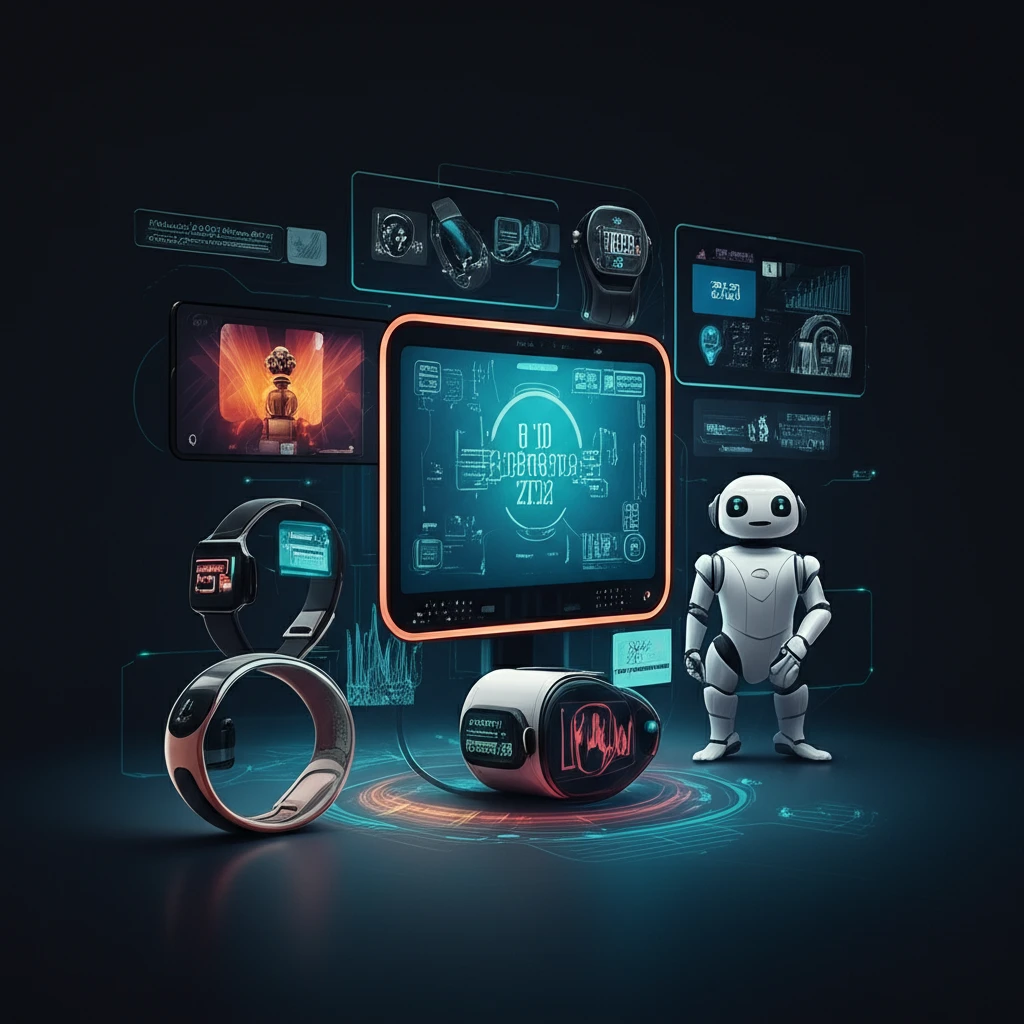
The world of technology is in a constant state of flux, with innovations emerging at a breakneck pace. As we look towards 2025, several key gadget trends are poised to redefine how we interact with our digital world, making our lives smarter, more connected, and increasingly personalized. From sophisticated AI integrations to a strong push for sustainability, prepare to dive into the most exciting technological shifts on the horizon.
Artificial Intelligence (AI) will no longer be a standalone feature but an invisible force woven into the fabric of almost every gadget. Expect devices that understand context, predict your needs, and offer truly personalized experiences.
When choosing new gadgets, look for those that emphasize advanced AI capabilities beyond simple voice commands. Consider how the AI enhances the core function of the device, making it more intuitive and adaptive to your lifestyle.
Augmented Reality (AR), Virtual Reality (VR), and Mixed Reality (MR) will converge into more accessible and comfortable Extended Reality (XR) devices. Lightweight AR glasses and more immersive VR headsets will move beyond niche gaming and professional applications into everyday use.
If you're curious about XR, start with entry-level AR or VR experiences available on smartphones or affordable standalone headsets. This will help you understand the potential before investing in more advanced gear.
Consumer demand for environmentally conscious products will push manufacturers to prioritize sustainability. This means gadgets made from recycled materials, designed for easy repairability, and boasting significantly improved energy efficiency.
Before purchasing, check for environmental certifications, repairability scores (like iFixit's), and the manufacturer's commitment to sustainability initiatives. Prioritize products with longer warranty periods, often an indicator of durability.
Gadgets will become even more attuned to individual users, adapting interfaces, functionalities, and content based on learned behaviors, preferences, and biometric data. This goes beyond simple settings to truly dynamic user experiences.
Embrace the customization options offered by your devices. Spend time setting up preferences and allowing devices to learn from your usage; the more data they have (with your consent), the better they can serve you.
Faster, more reliable, and lower-latency connectivity will be a cornerstone of 2025's gadget ecosystem. While Wi-Fi 7 will become more prevalent, the groundwork for 6G will begin to influence device design and capabilities.
If you're upgrading your home network equipment, look for Wi-Fi 6E or Wi-Fi 7 compatibility to future-proof your setup. For mobile devices, consider models that support the latest cellular standards if available in your region.
Beyond step counting and heart rate monitoring, 2025's wearables will offer more sophisticated health diagnostics and continuous monitoring, potentially acting as early warning systems for various conditions.
While these devices offer valuable insights, remember they are consumer gadgets. Always consult with a healthcare professional for accurate medical diagnoses or treatment plans. Use wearable data as a tool for personal awareness.
Foldable phones and laptops will become more durable, affordable, and widespread, with new form factors emerging. Flexible display technology will enable entirely new categories of gadgets that can bend, roll, and stretch.
If considering a foldable device, research reviews regarding hinge durability and screen protection. While the technology is advancing, proper care can significantly extend its lifespan.
While true consumer-grade quantum computers are still years away, quantum-inspired algorithms and cloud-based quantum services will begin to subtly influence consumer gadgets, particularly in areas requiring immense computational power for AI and data processing.
Stay informed about the broader implications of quantum computing, even if it's not directly in your hands. Understanding its potential impact on data security and AI processing will be increasingly important for digital literacy.
To combat planned obsolescence and promote sustainability, more gadgets will feature modular designs, allowing users to upgrade individual components rather than replacing the entire device.
Example:
When purchasing electronics, investigate their upgradeability. Look for brands that offer modular components or clear pathways for user-serviceable parts, which can save money and reduce waste in the long run.
Biometric authentication will become more sophisticated, moving beyond traditional fingerprint and facial recognition to include iris scanning, voice biometrics, and even vein pattern recognition for enhanced security and convenience.
Always use the most secure biometric options available on your devices and combine them with strong passwords or passkeys. Regularly review your device's security settings to ensure optimal protection of your personal data.
The year 2025 promises to be an exciting one for tech enthusiasts. These trends highlight a future where gadgets are not just tools, but intelligent, adaptive, and environmentally conscious companions that seamlessly integrate into our lives. By understanding these shifts, you can make informed decisions about your next tech purchase and stay ahead in the ever-evolving digital landscape.
 October 11
Discover the top 10 gadget trends shaping 2025, from hyper-personalized AI and sustainable tech to fashion-integrated devices. Stay ahead with examples & practical tips.
 October 20
Explore the 8 cutting-edge gadget trends shaping 2025, from AI companions and advanced wearables to sustainable tech. Stay ahead with practical tips!
 October 20
Explore the 10 most impactful gadget trends for 2025, from AI integration to sustainable tech. Stay ahead with smart devices, enhanced connectivity & stylish innovations.