Top 10 Mobile & App Trends for 2025: Navigating the Digital Horizon
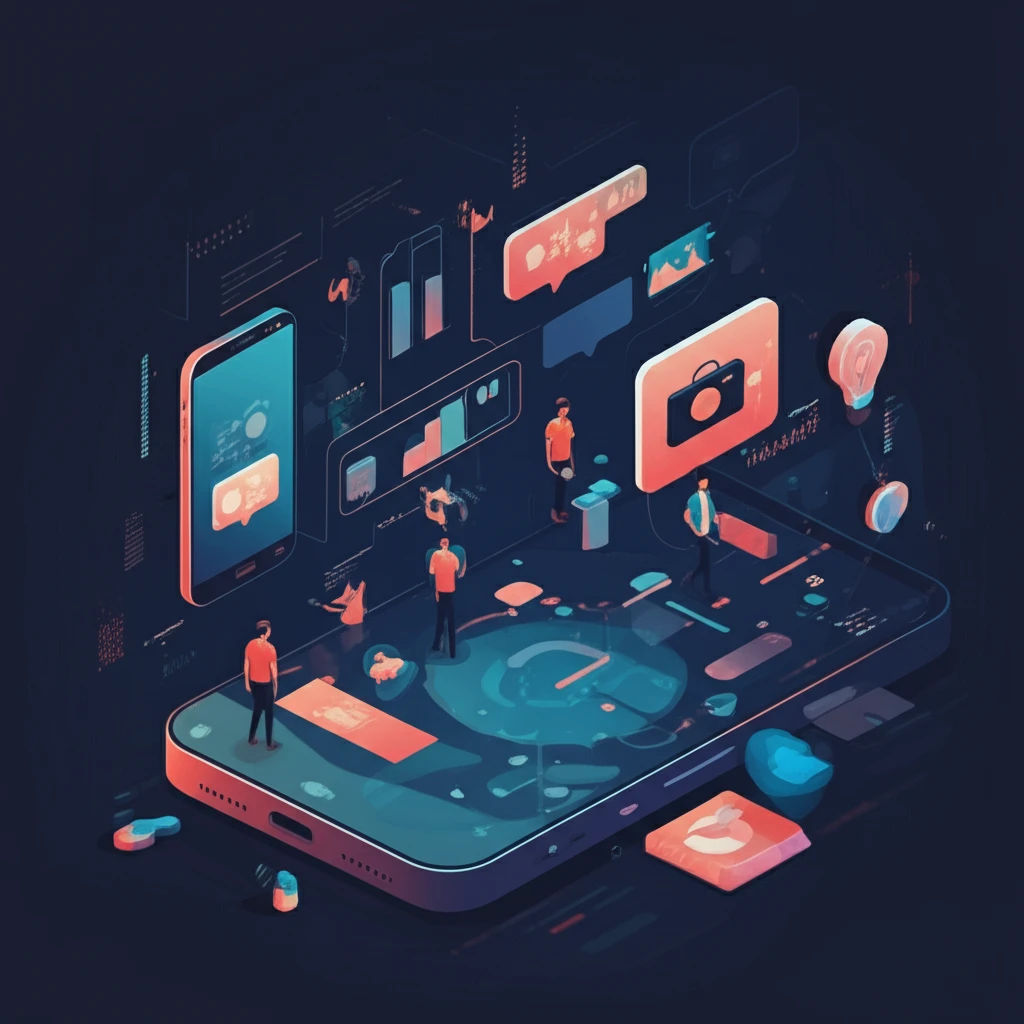
The mobile landscape is a relentless innovator, constantly pushing the boundaries of what's possible in our pockets and on our screens. As we look towards 2025, a wave of transformative trends is poised to redefine how we interact with technology, conduct business, and manage our daily lives. From hyper-intelligent AI to immersive augmented reality, the future of mobile and apps promises experiences that are more personalized, integrated, and intuitive than ever before.
This article dives into the top 10 mobile and app trends expected to dominate 2025, offering insights for both everyday users and aspiring developers. Get ready to explore the innovations that will shape our digital tomorrow.
1. Advanced AI Integration & Hyper-Personalization
Artificial Intelligence (AI) will move beyond simple recommendations to anticipate user needs proactively. Expect apps to feature AI companions that manage tasks, optimize schedules, and offer truly predictive interfaces tailored to individual behaviors and preferences.
Examples:
- Smarter Virtual Assistants: AI that doesn't just respond to commands but learns routines to pre-emptively book appointments or order groceries.
- Personalized Health Apps: AI-driven health platforms that adapt workout routines, diet plans, and even mental wellness exercises based on real-time data and emotional states.
- Dynamic Content Feeds: News and entertainment apps that curate content so precisely, it feels like the app understands your deepest interests.
Practical Tips:
- For Users: Embrace AI features, provide constructive feedback to train models, and explore AI-powered tools for enhanced productivity.
- For Developers: Focus on ethical AI development, robust data privacy, and creating intuitive, value-driven AI experiences that feel natural.
2. The Rise of Super Apps & Ecosystems
The concept of 'Super Apps' – single applications consolidating multiple services like messaging, payments, shopping, and travel – will gain further traction. These apps aim to be the all-in-one digital hub for users, simplifying their online lives by reducing app clutter.
Examples:
- Integrated Financial Hubs: Apps combining banking, investments, peer-to-peer payments, and even crypto trading.
- Lifestyle Platforms: A single app for booking transport, ordering food, communicating with friends, and shopping online.
Practical Tips:
- For Users: Evaluate the convenience versus data sharing implications. Opt for apps that genuinely simplify your digital routine.
- For Developers: Consider modular design, robust API integrations, and building a strong foundation of trust in a multi-service environment.
3. Immersive AR & Spatial Computing Experiences
Augmented Reality (AR) will become increasingly integrated into daily life, moving beyond novelty filters to practical applications. With advancements in devices like Apple Vision Pro and Meta Quest, spatial computing will enable seamless interaction with digital content overlaid onto the real world.
Examples:
- AR Shopping: Virtually trying on clothes or placing furniture in your home before purchase.
- Interactive Navigation: AR overlays guiding you through complex buildings or displaying points of interest in real-time.
- Educational & Training Tools: Immersive AR experiences for learning new skills or complex repairs.
Practical Tips:
- For Users: Explore AR apps for practical uses that enhance real-world tasks.
- For Developers: Design intuitive AR/spatial computing interfaces, focus on real-world utility, and optimize for various hardware capabilities.
4. Enhanced Privacy, Security & Decentralization
User demand for greater data control and transparent privacy practices will intensify. Decentralized technologies like Web3 and blockchain will offer new avenues for self-sovereign identity and data ownership, leading to more secure and private app experiences.
Examples:
- Privacy-Focused Browsers & Apps: Solutions with built-in VPNs, ad blockers, and advanced tracking prevention.
- Self-Sovereign Identity: Blockchain-based systems allowing users to control their digital identities and data access.
Practical Tips:
- For Users: Regularly review app permissions, use strong, unique passwords, and consider privacy-centric alternatives for sensitive data.
- For Developers: Implement privacy-by-design principles, offer transparent data policies, and explore decentralized solutions for enhanced user trust and data integrity.
5. Voice & Conversational UI Dominance
Voice commands and natural language interfaces will become a primary mode of interaction for an increasing number of apps. Advances in AI will make these interactions more fluid, context-aware, and natural, reducing the need for traditional touch-based inputs.
Examples:
- Hands-Free Productivity: Voice-controlled note-taking, email composition, and task management.
- Advanced Chatbots: Customer service or informational apps powered by AI that can hold sophisticated, human-like conversations.
Practical Tips:
- For Users: Practice using voice commands, customize voice assistant settings, and explore voice-enabled accessibility features.
- For Developers: Design for natural language processing, consider various accents and dialects, and ensure robust voice recognition in diverse environments.
6. Seamless Integration with Wearables & IoT
Apps will extend their functionality far beyond smartphones, offering seamless integration with smartwatches, smart home devices, health trackers, and other Internet of Things (IoT) gadgets. This creates a more cohesive and interconnected digital ecosystem around the user.
Examples:
- Comprehensive Health Ecosystems: Apps syncing data from smartwatches, smart scales, sleep trackers, and even smart clothing to provide holistic health insights.
- Smart Home Control: Managing lights, thermostats, and security systems directly from your smartwatch or in-car display.
Practical Tips:
- For Users: Explore how apps can integrate with your existing smart devices for a more convenient and insightful experience.
- For Developers: Design for multi-device experiences, ensure robust data synchronization across platforms, and prioritize security for all connected components.
7. Sustainable & Eco-Friendly Apps
With growing environmental consciousness, apps will increasingly be designed with sustainability in mind. This includes optimizing for reduced energy consumption, promoting eco-conscious behaviors, and integrating 'green' features.
Examples:
- Carbon Footprint Trackers: Apps that monitor and help reduce personal or business environmental impact.
- Eco-Route Navigation: GPS apps suggesting routes that minimize fuel consumption or avoid congested areas.
- Energy-Efficient Design: Apps using dark modes, simplified interfaces, and optimized code to consume less power.
Practical Tips:
- For Users: Look for apps that actively promote sustainability or offer features to reduce your environmental impact.
- For Developers: Optimize code for efficiency, utilize green hosting solutions, and integrate features that encourage eco-friendly actions and decision-making.
The emphasis will remain on delivering consistent, high-performance experiences across various devices and operating systems. Frameworks like React Native and Flutter will continue to mature, while Progressive Web Apps (PWAs) will offer native-app-like functionality directly from the web browser, blurring the lines between web and native applications.
Examples:
- Unified User Experience: Apps that look and feel identical whether accessed on iOS, Android, or a web browser.
- Offline-Capable Web Apps: PWAs that can be 'installed' on a device, receive push notifications, and work offline, just like native apps.
Practical Tips:
- For Users: Enjoy faster updates and consistent interfaces. Consider PWAs for reducing app clutter and saving storage space.
- For Developers: Invest in cross-platform development skills, consider PWAs for broader reach, faster deployment, and lower development costs.
9. Gamification Beyond Gaming
The application of game-design elements and game principles in non-game contexts will continue to expand. Gamification aims to engage users, motivate desired behaviors, and solve problems by making interactions more enjoyable and rewarding.
Examples:
- Fitness & Wellness Apps: Streaks, badges, and leaderboards to encourage consistent exercise and healthy habits.
- Language Learning Apps: Points, levels, and daily challenges to motivate progress and retention.
- Productivity Tools: Apps that turn task completion into a game, offering rewards for reaching milestones.
Practical Tips:
- For Users: Embrace gamified features in productivity, health, or education apps to boost your motivation and make learning fun.
- For Developers: Identify core user motivations, design balanced reward systems, and ensure gamification genuinely enhances the app's value, rather than just being a distraction.
AI will increasingly empower no-code and low-code platforms, making app development more accessible to a broader audience. Non-developers will be able to create sophisticated applications with minimal or no traditional coding, using AI for design suggestions, feature generation, and workflow automation.
Examples:
- AI-Assisted App Builders: Platforms that suggest UI/UX designs, generate code snippets, or automate data integration based on user input.
- Custom Business Apps: Small businesses or individuals rapidly building tailored solutions for specific needs without hiring a development team.
Practical Tips:
- For Users (Aspiring Creators): Explore these platforms for personal projects, small business needs, or rapid prototyping without requiring deep coding knowledge.
- For Developers: Leverage these tools for rapid prototyping, automating routine tasks, or empowering citizen developers within organizations to focus on more complex, innovative solutions.
Conclusion
The mobile and app landscape in 2025 is set to be more intelligent, integrated, and user-centric than ever before. From personalized AI experiences to immersive AR and sustainable practices, these trends highlight a future where technology seamlessly blends into our lives, offering unprecedented convenience and capabilities. Staying informed and adaptable will be key for both users seeking the best digital tools and developers aiming to build the next generation of groundbreaking applications.


 October 20
 October 20
 October 20