Top 5 Tren Mobile & Aplikasi Tahun 2025: Inovasi yang Mengubah Dunia Kita
Explore the top 5 mobile and app trends shaping 2025, including AI personalization, AR/VR, health tech, privacy, and sustainability. Get practical tips and insights.


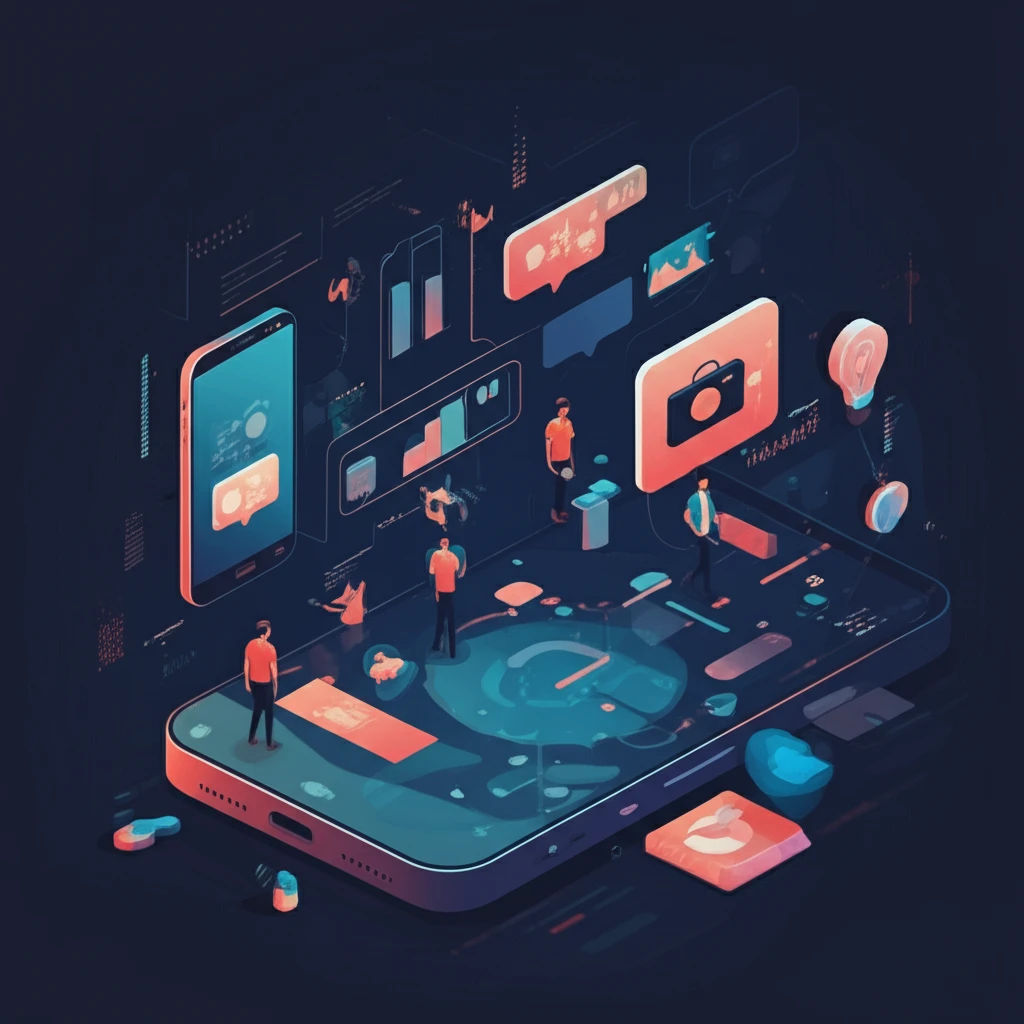
The mobile landscape is an ever-evolving frontier, constantly introducing innovations that redefine how we interact with technology. As we approach 2025, several key trends are poised to transform the world of mobile applications and devices, influencing everything from user experience to business models. Staying ahead of these shifts is crucial for developers, businesses, and everyday users alike. This article explores the top 7 mobile and app trends set to dominate the coming year, offering insights, examples, and practical tips.
Artificial Intelligence (AI) will continue to be the cornerstone of mobile innovation, moving beyond simple recommendations to deeply personalized and automated experiences. Apps will leverage AI to understand user behavior, preferences, and context with unprecedented accuracy, offering proactive assistance and tailored content.
While AR and VR have been on the horizon for years, 2025 will see their more widespread and practical integration into mainstream mobile apps. Advances in mobile processing power and optics will enable more seamless and engaging immersive experiences without requiring dedicated headsets for many applications.
With growing concerns about data breaches and surveillance, user privacy and data security will become even more critical differentiating factors. Apps in 2025 will adopt more robust security protocols, offering users greater control over their personal information and emphasizing transparency in data handling.
Inspired by successful models like WeChat and Gojek, the concept of "super apps" — single applications offering a multitude of services from messaging and payments to ride-hailing and food delivery — will gain more traction outside Asia. This trend focuses on convenience and consolidating various digital needs into one seamless platform.
The principles of Web3 – decentralization, blockchain technology, and user ownership – will increasingly influence mobile app development. While still nascent, dApps offer new paradigms for data ownership, transparency, and creator monetization.
As screen time increases, apps will place a greater emphasis on promoting digital wellbeing, helping users manage their device usage and foster healthier habits. Furthermore, there's a growing awareness of technology's environmental impact, leading to a push for more sustainable app development practices.
The mobile app experience will extend far beyond the smartphone, seamlessly integrating with a growing ecosystem of wearable devices (smartwatches, fitness trackers, smart glasses) and Internet of Things (IoT) devices (smart home appliances, connected vehicles). Apps will act as central hubs for managing and interacting with this diverse array of technology.
2025 promises to be a pivotal year for mobile technology, marked by deeper intelligence, richer experiences, and a renewed focus on user empowerment and environmental responsibility. From AI-driven personalization to the expansion of super apps and the integration of Web3, these trends highlight a future where mobile devices are not just tools, but intelligent, integrated hubs for our digital and physical lives. By understanding and adapting to these shifts, both users and innovators can unlock the full potential of the mobile frontier.
 October 20
Explore the top 5 mobile and app trends shaping 2025, including AI personalization, AR/VR, health tech, privacy, and sustainability. Get practical tips and insights.
 October 20
Explore the 9 must-watch mobile and app trends for 2025, including AI personalization, AR/VR, super apps, privacy tech, and IoT integration. Stay ahead in tech!
 October 20
Discover the 10 biggest mobile and app trends shaping 2025, from AI to spatial computing. Get practical tips to stay ahead in the evolving digital landscape with Scarlotte.